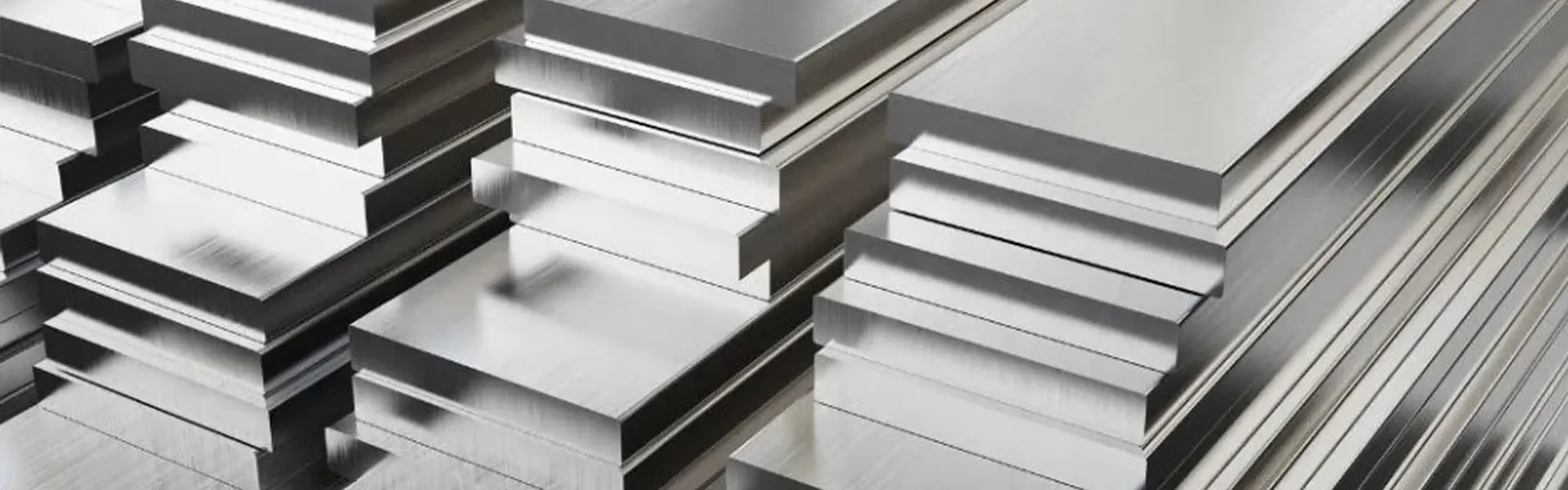
stainless steel coil/plate
stainless steel coil/plate

- 0Cr17Ni12Mo2 Stainless Steel Composition & Molybdenum‑Alloyed
- 0Cr17Ni12Mo2 is a molybdenum‑alloyed austenitic stainless steel specified in GB/T 4237 and GB/T 4238, comparable to international 316 grades. With approximately 17% chromium, 12% nickel, and 2% molyb
- Read more »

- 00Cr19Ni10 Stainless Steel Composition & Low‑Carbon Austenitic Properties
- 00Cr19Ni10 is a low‑carbon austenitic stainless steel specified in GB/T 4237 and GB/T 4238, comparable to international 304L grades. It contains 18–20% chromium and 8–12% nickel, with carbon limite
- Read more »

- 1Cr18Ni12 Stainless Steel Composition & High‑Nickel Austenitic Properties
- 1Cr18Ni12 is a high‑nickel austenitic stainless steel specified in GB/T 4237 and GB/T 4238. With approximately 18% chromium and 12% nickel, it offers a highly stable austenitic structure, excellent c
- Read more »

- Y1Cr18Ni9 Stainless Steel Composition & Free‑Machining Austenitic Properties
- Y1Cr18Ni9 is a free‑machining austenitic stainless steel specified in GB/T 4237 and GB/T 4238, commonly regarded as the Chinese equivalent of Grade 303. It contains 17–19% chromium, 8–10% nickel, a
- Read more »

- 0Cr18Ni11Nb Stainless Steel Composition & Niobium‑Stabilized Properties
- 0Cr18Ni11Nb is a niobium‑stabilized austenitic stainless steel specified in GB/T 4237 and GB/T 4238, comparable to Grade 347. With approximately 18% chromium, 11% nickel, and niobium additions, it pr
- Read more »

- 0Cr18Ni10Ti Stainless Steel Composition & Titanium‑Stabilized Properties
- 0Cr18Ni10Ti is a titanium‑stabilized austenitic stainless steel specified in GB/T 4237 and GB/T 4238, comparable to international Grade 321. It contains 17–19% chromium and 9–12% nickel with titani
- Read more »

- 00Cr18Ni10N Stainless Steel Composition & Nitrogen‑Enhanced Austenitic Properties
- 00Cr18Ni10N is a nitrogen‑enhanced, low‑carbon austenitic stainless steel specified in GB/T 4237 and GB/T 4238. The addition of nitrogen increases yield strength, improves pitting resistance, and en
- Read more »

- 00Cr19Ni10 Stainless Steel Composition & Low‑Carbon Austenitic Properties
- 00Cr19Ni10 is a low‑carbon austenitic stainless steel specified in GB/T 4237 and GB/T 4238, corresponding to international Grade 304L. Its composition includes 18–20% chromium and 8–12% nickel, wit
- Read more »

- 0Cr18Ni9 Stainless Steel Composition & General Corrosion Resistance
- 0Cr18Ni9 is one of the most widely used austenitic stainless steels specified in GB/T 4237 and GB/T 4238, corresponding closely to international Grade 304. Containing approximately 18% chromium and 8
- Read more »

- 1Cr17Ni7 Stainless Steel Composition & Austenitic Corrosion‑Resistant Properties
- 1Cr17Ni7 is a chromium‑nickel austenitic stainless steel defined in GB/T 4237 / 4238. With about 17% chromium and 7% nickel, it provides stable corrosion resistance in atmospheric, fresh‑water, and
- Read more »

- 1Cr17Mn6Ni5N Stainless Steel Composition & High‑Strength Austenitic Properties
- 1Cr17Mn6Ni5N is a nitrogen‑alloyed austenitic stainless steel defined in GB/T 4237 / 4238. With about 17% chromium, 5% nickel, manganese, and nitrogen, it offers higher strength and improved pitting
- Read more »

- SUS 329J1 Stainless Steel Composition & Duplex Corrosion‑Resistant Properties
- SUS 329J1 is a duplex stainless steel defined in JIS G4304 / G4312. With 24–26% chromium, 4–6% nickel, molybdenum, and nitrogen, it provides high strength and excellent resistance to pitting and cre
- Read more »