Austenitic Stainless Steel: High‑Corrosion‑Resistance Alloy for Formability‑Critical Applications
Austenitic stainless steel is a chromium‑ and nickel‑based alloy known for its stable austenitic structure at room temperature, giving it excellent corrosion resistance, toughness, and formability. Typical compositions include more than 16% chromium and over 8% nickel, while low‑nickel variants may incorporate manganese or nitrogen to maintain performance at lower cost.
In terms of mechanical behavior, austenitic stainless steels offer a balanced combination of strength and ductility. Grade 304 commonly reaches 520–750 MPa tensile strength with elongation above 40%, retaining toughness even at low temperatures. Grade 201 provides higher strength through increased manganese content and is suitable for mildly corrosive environments.
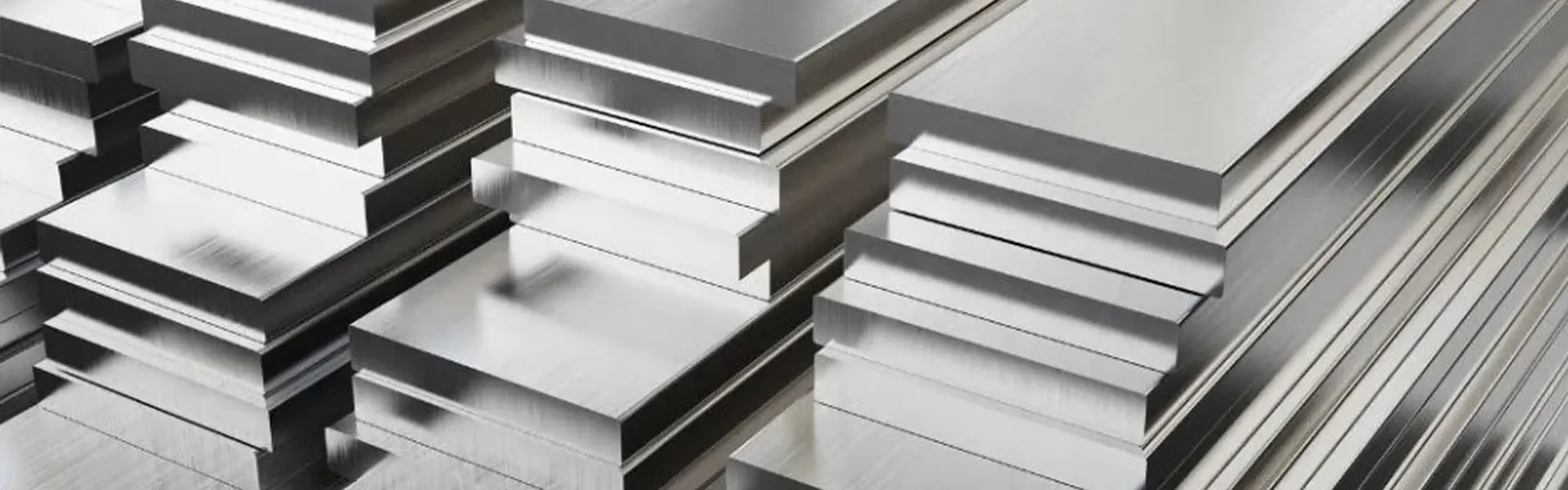
Key advantages include stable corrosion resistance, good weldability, and adaptability to various processing methods. They are available as sheets, tubes, bars, wire, and structural profiles, and can be finished with brushed, mirror, or colored surfaces for both functional and decorative use.
Austenitic stainless steel is widely used in food processing equipment, medical devices, architectural components, transportation systems, and household appliances. Grade 304 is preferred for parts exposed to water or chemicals, while 201 is commonly used in cost‑sensitive applications such as interior panels and appliance housings.
In terms of mechanical behavior, austenitic stainless steels offer a balanced combination of strength and ductility. Grade 304 commonly reaches 520–750 MPa tensile strength with elongation above 40%, retaining toughness even at low temperatures. Grade 201 provides higher strength through increased manganese content and is suitable for mildly corrosive environments.
Key advantages include stable corrosion resistance, good weldability, and adaptability to various processing methods. They are available as sheets, tubes, bars, wire, and structural profiles, and can be finished with brushed, mirror, or colored surfaces for both functional and decorative use.
Austenitic stainless steel is widely used in food processing equipment, medical devices, architectural components, transportation systems, and household appliances. Grade 304 is preferred for parts exposed to water or chemicals, while 201 is commonly used in cost‑sensitive applications such as interior panels and appliance housings.