304 Stainless Steel Composition & General Purpose Corrosion Properties
304 is the most widely used austenitic stainless steel, containing 18–20% chromium and 8–11% nickel with a carbon content limited to 0.08%. The chromium-nickel balance produces a stable austenitic structure that is non-magnetic in the annealed condition, and the composition provides general corrosion resistance to atmospheric conditions, fresh water, food products and many mild chemicals, which explains why 304 has become the reference grade of the stainless steel industry.
The grade is supplied in the solution-annealed condition with a minimum tensile strength of about 515 MPa, a minimum yield strength of about 205 MPa and an elongation of at least 40%, offering excellent deep drawing and forming performance. 304 cannot be hardened by heat treatment and is strengthened only by cold working. Its low carbon content keeps it weldable by all standard fusion processes without sensitization in normal section sizes, and welding is followed by no mandatory post-weld treatment.
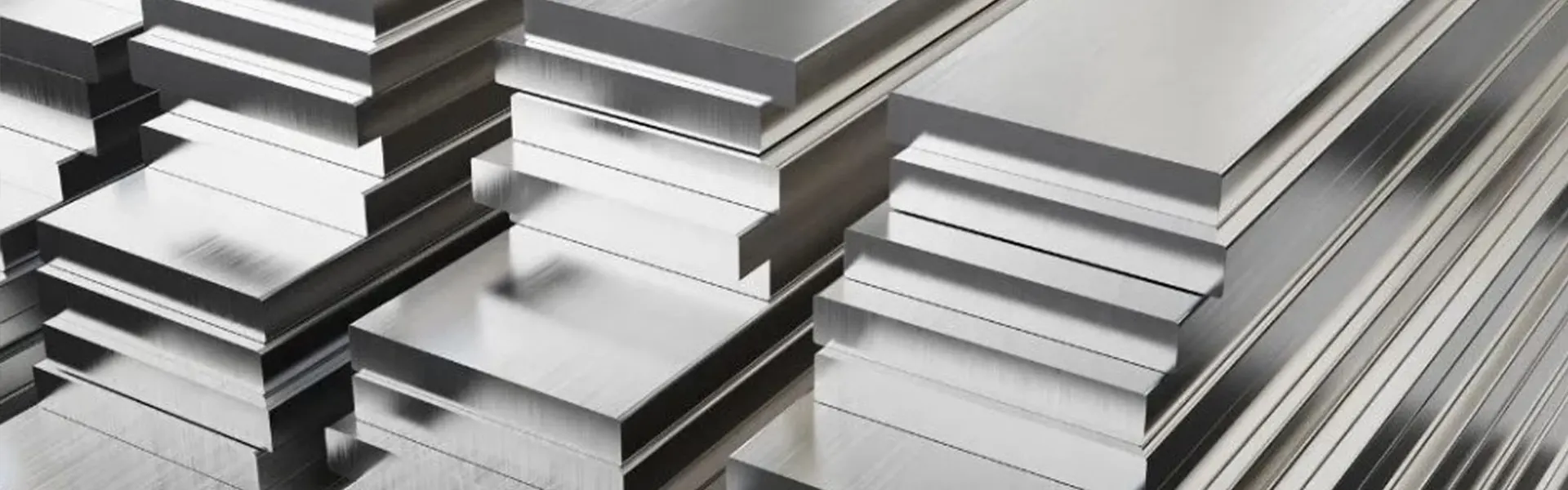
304 stainless steel is supplied as sheets, coils, plates, tubes, bars and profiles, and is applied in kitchen and food processing equipment, architectural decoration, chemical containers, water treatment systems, household appliances and general industrial components where dependable corrosion resistance and formability are required at an economical cost.